DAY 12 – Counting The Omer 2023/5783

Sephirat Ha’omer

COUNTING THE OMER – This prayer is traditionally recited between sundown and sunrise of each day.

Day 12: Hod she b’Gevurah

The Blessing (Day 12):
Baruch atah Adonai elohaynu melech ha’olam asher kidshanu b’mitzvotav v’tzivanu al sephirat ha’omer.
Blessed are you, G-D, Source of Strength, You make us holy through your mitzvot, commanding us to count the Omer.

Ha yom shnaim asar yom, shehem shavuah echad v chamisha yamim l’Omer. Today is the twelfth day of the Omer, which makes one week and five days of the Omer.

Week Two – Gevurah (Discernment, Restraint, Strength)

Day Twelve – Hod she b’Gevurah (Splendor within Discernment) – LEFT HIP to LEFT SHOULDER
Hod she b’Gevurah expresses radiance through firmness.  These are qualities such as we encounter in wise elders, in works of art whose beauty seems eternal, in impressive mountains, in the abiding truth of cultural traditions, and inside ourselves when we are clear and strong about our spiritual connection.
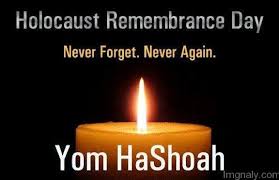
As we currently observe Yom HaShoah – Holocaust Remembrance Day (4/17/23 evening into 4/18/23), we remember the splendor that has been lost along with those millions of lives.  The knowledge and memories that have gone with those who perished should be considered as we commit ourselves to vigilantly combating injustice in all its forms.  We are grateful to be alive, to savor precious memories, and to focus on creating new ones.  We cannot recreate the Splendor that is gone, but we can preserve and honor what we remember, battle intolerance, and live honorable lives while working to build a society based on justice.
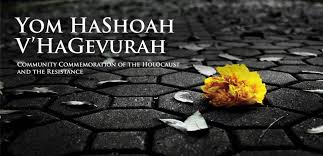
It is interesting to me that in Israel, this day is called Yom HaShoah v’HaGevurah – Holocaust and Heroism Day, the Memorial Day for the Holocaust and for Acts of Courage (Resistance/Strength).
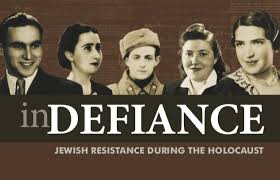
What a fitting day this is for us to consider Hod she b’Gevurah, the Splendor within Strength.  We recall those who fought back by using discernment and resistance during this terrible period of our history.
Hod is also considered not just as Splendor, but also as Humility and Awe.  Most of us have pondered the meaning of life at some point, and many of us may have considered it often as we find our place in society.  Our consideration of what life truly is about may change as we move from teenager to adult, from single to married to parent, from student to teacher.  Regardless, we consider the splendid variety available to us in this complex universe.  With Humility and Awe today, and as we remember the Holocaust, let us spend a few minutes considering again, in gratitude and appreciation, the amazing universe we inhabit together, and the Strength we draw from it and from each other.

*Much of today’s email has come from and been inspired by Rabbi Min Kantrowitz’s amazing book “Counting the Omer: A Kabbalistic Meditation Guide”

DAY 11 – Counting The Omer 2023/5783

COUNTING THE OMER – This prayer is traditionally recited between sundown and sunrise of each day.

Day 11: Netzach she b’Gevurah

The Blessing (Day 11):
Baruch atah Adonai elohaynu melech ha’olam asher kidshanu b’mitzvotav v’tzivanu al sephirat ha’omer.
Blessed are you, G-D, Source of Strength, You make us holy through your mitzvot, commanding us to count the Omer.

Ha yom echad asar yom, shehem shavuah echad v arba’ah yamim l’Omer. Today is the eleventh day of the Omer, which makes one week and four days of the Omer.

Week Two – Gevurah (Discernment, Restraint, Strength)

Day Eleven – Netzach she b’Gevurah (Endurance within Strength) – RIGHT HIP to LEFT SHOULDER

Netzach she b’Gevurah is like the quiet, constant flow of a river that wears down the stones, or will discern a path to go around them and still get downstream, to the future space.  The strength and power of the water has an effect on the immediate area of which it comes in contact, yet it also holds on to some of its enduring strength to affect and provide for things further downstream.

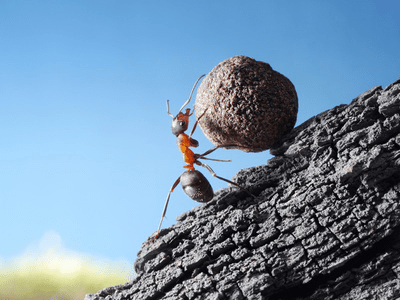
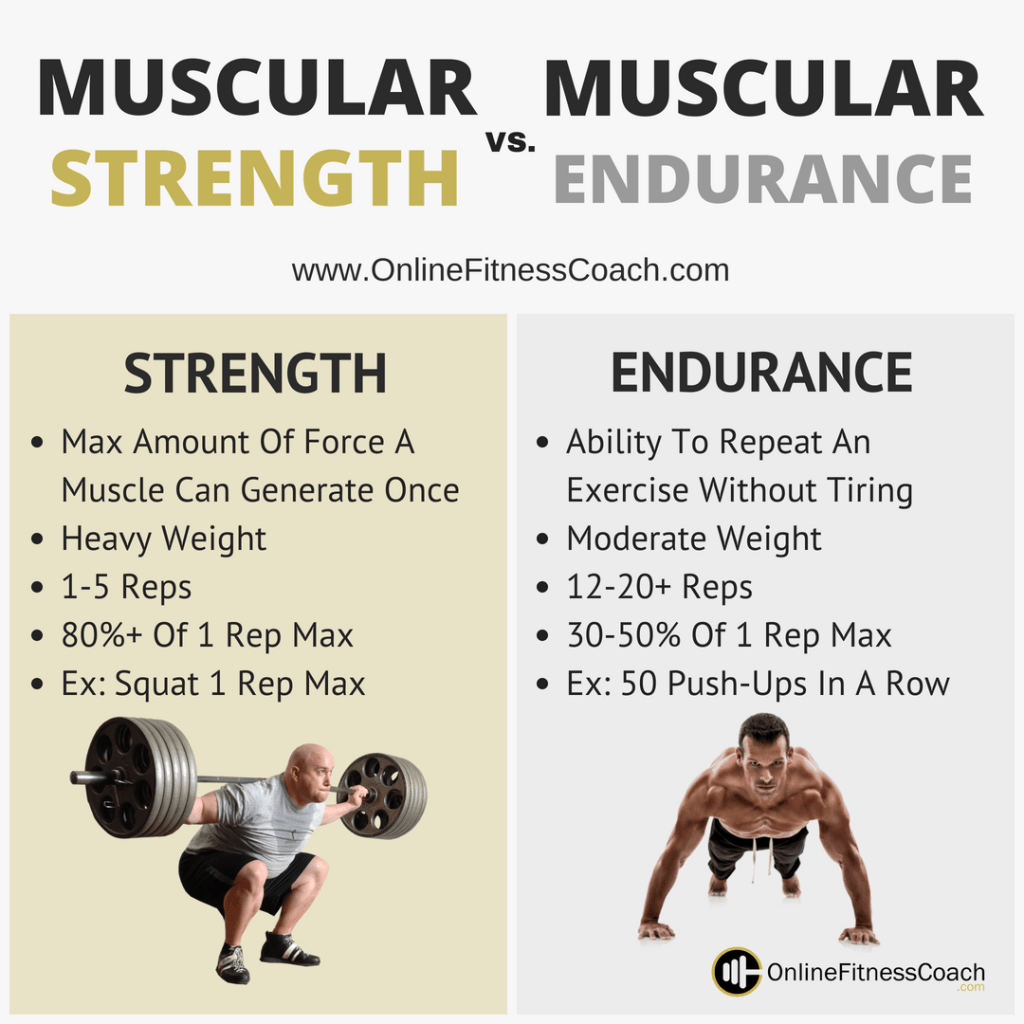
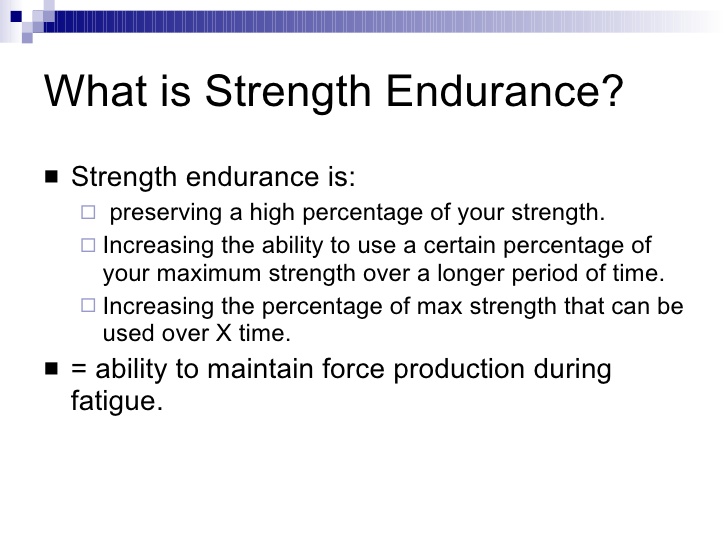
The persistent effects of time and effort (Endurance) give us Strength. This Endurance (Netzach) within Discernment and Strength (Gevurah) is consistently seen in the terms of physical fitness. We often hear the term “endurance” when in the context of running. Anyone who participated in Track and Field activities in school recalls that there is an absolute difference between the approach to being a sprinter and being a long-distance runner. Both take power and strength, but long distance running specifically needs the aspect of endurance to accomplish the task at hand. Weight lifting is similar. We can lift a very heavy weight a limited number of times when it is outside of our long-term endurance. The stronger our endurance is, the stronger our ultimate strength can become.

This does not only apply to gym class related activities though. As we consider what other areas we need to have strength and power that is influenced by our ability to endure over time, we can come up with a myriad of different examples. Social workers is one area that comes to my mind when I consider the need to endure over time with strength and discernment. Social workers navigate on behalf of others that are not able to do so for themselves. Young children, often in dire situations, and individuals suffering with mental illness are among their main client base, and to help them usually requires choosing what is available at the time, continuing to evaluate and alter to provide them with strength and power in what can feel like (or be) powerless situations, and to continue this on their behalf over extended time. They are truly in it “for the long haul” with their clients, working tirelessly to fight for them and to endure struggles on their behalf to bring about the best outcome for them and for our society.

The wisdom of Netzach she b’Gevurah reminds us that dealing successfully with the unexpected gusts that life’s winds may blow at us is based on our own experiences in coping with other comparable life situations. Many times we may not have experience of our own to draw upon for the strength we need. Learning from how others may have coped with a similar adversity can help us to find our own ways to endure and gain the strength we need to cope.

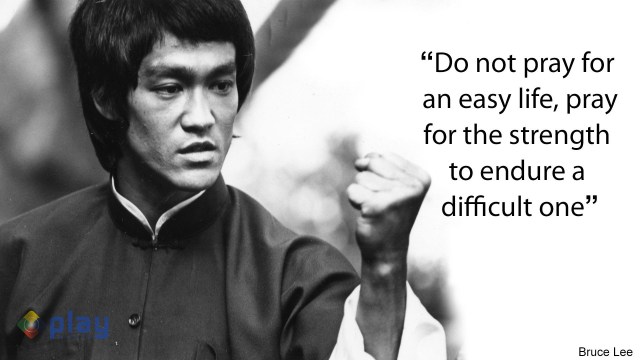
Bruce Lee Quote Easy Life Do Not Pray For An Easy Life, Pray For The Strength To Endure A – Quotes About Inspiration

* For more information on this subject, I recommend “Counting the Omer: A Kabbalistic Meditation Guide” by Rabbi Min Kantrowitz.
DAY 10 – Counting The Omer 2023/5783

Sephirat Ha’omer

COUNTING THE OMER – This prayer is traditionally recited between sundown and sunrise of each day.

Day 10: Tiferet she b’Gevurah

The Blessing (Day 10):
Baruch atah Adonai elohaynu melech ha’olam asher kidshanu b’mitzvotav v’tzivanu al sephirat ha’omer.
Blessed are you, G-D, Source of Strength, You make us holy through your mitzvot, commanding us to count the Omer.

Ha yom asara yomim, shehem shavuah echad v shlosha yamim l’Omer. Today is the tenth day of the Omer, which makes one week and three days of the Omer.

Week Two – Gevurah (Discernment, Restraint, Strength)

Day Ten – Tiferet she b’Gevurah (Harmony within Discernment) – HEART to LEFT SHOULDER

Tiferet she b’Gevurah is the way that we keep ourselves from engaging in overly harsh reactions. Without balance and Harmony, Discernment can become callous judgment, a source of prejudice and intolerance. Tiferet she b’Gevurah is the interaction and combination of Harmony and Power. Power without heart leads to cruelty; heart without power is fragile. The connection between harmony and discernment asks that we carefully weigh and measure our choices, recognize the heart’s desire, and seek the courage to pursue it in balance.

Parents often struggle with maintaining a balanced approach to discipline. Many times in our interactions together, our conversations will end with the parent claiming ultimate power due to his/her position and age. I can hear my own father’s voice saying to me as a teenager “because I said so.” This isn’t really a balanced approach, even if in the end he was right. It is sometimes hard to allow ourselves to use discernment in situations. Often times as the parent, we may seek to control and hold on to the power we believe we should have without question. This can lead to problems by setting up an adversarial situation that creates a win-lose scenario, rather than a win-win scenario, or more accurately a compromise-compromise scenario.

We move in a positive direction when we take the initiative to repair a damaged relationship, when we take responsibility for our part in a misunderstanding, or when we negotiate in either our work or our personal lives, seeking a harmonious solution. Many of us have an area of our lives that can be improved if there were more understanding, bringing our strength to a space of balance in a situation. Today, take one step toward bringing that harmony into reality. By bringing balance into our power struggles with others, we may find a path to take that we were unaware existed. And this may be the road BEST traveled for us all.

* For more information on this subject, I recommend “Counting the Omer: A Kabbalistic Meditation Guide” by Rabbi Min Kantrowitz.
DAY 9 – Counting The Omer 2023/5783

Sephirat Ha’omer

COUNTING THE OMER – This prayer is traditionally recited between sundown and sunrise of each day.

Day 9: Gevurah she b’Gevurah

The Blessing (Day 9):
Baruch atah Adonai elohaynu melech ha’olam asher kidshanu b’mitzvotav v’tzivanu al sephirat ha’omer.
Blessed are you, G-D, Source of Strength, You make us holy through your mitzvot, commanding us to count the Omer.

Ha yom tisha’a yomim, shehem shavuah echad v shnai yamim l’Omer. Today is the ninth day of the Omer, which makes one week and two days of the Omer.

Week Two – Gevurah (Discernment, Restraint, Strength)

Day Nine – Gevurah she b’Gevurah (Power within Discernment) – LEFT SHOULDER to LEFT SHOULDER

Gevurah she b’Gevurah involves containing our strong energy, appreciating it, and keeping it to use at the right time.  It is restrained power to be directed toward something useful.  Focus, discipline and determination are what makes something or someone that is powerful more effective. Consider a laser beam. What is a powerful thing in its own way – a light wave – becomes something even more powerful and useful when it is concentrated and focused to a set degree, creating a laser beam. Now, in this restrained form, that light wave has the ability to travel very long distances as well as to concentrate energy on a very small area. Lasers have been used widely in the areas of technology and communication with their ability to travel longer distances than previous wavelengths. Another great use of this restrained power of light has been in its use in delicate surgeries where this “laser sharp focus” has been put to amazing use. Gevurah she b’Gevurah is the power behind the focused restraint.

Use your hidden strength.

Many people have a spiritual strength that is hidden and contained within them, yet focused and powerful.  We call on our feelings of inner strength when we need some extra courage.  Gevurah she b’Gevurah reminds us that we have that kind of courage built in, that there is strength within strength, and that we can draw on our contained energy that has been stored for our use.  Our internally focused strength allows us to manage through difficult times.

Today is a great day to focus on the strength of quiet discipline. Often it is external strength that is celebrated.  For people on a spiritual path, the challenge is to find a way to honor our inner strength.  To honor the power of wise choices, to celebrate quiet heroism, to win without having another person lose.

**Much of this post has come from or been inspired by Rabbi Min Kantrowitz’s book “Counting the Omer: A Kabbalistic Meditation Guide”
DAY 8 – Counting The Omer 2023/5783

Sephirat Ha’omer

COUNTING THE OMER – This prayer is traditionally recited between sundown and sunrise of each day.

Day 8: Chesed she b’Gevurah

The Blessing (Day 8):
Baruch atah Adonai elohaynu melech ha’olam asher kidshanu b’mitzvotav v’tzivanu al sephirat ha’omer.
Blessed are you, G-D, Source of Strength, You make us holy through your mitzvot, commanding us to count the Omer.

Ha yom shmonah yomim, shehem shavuah echad v yom echad l’Omer. Today is the eighth day of the Omer, which makes one week and one day of the Omer.

Week Two – Gevurah (Discernment, Restraint, Strength)

This is the second week of the Omer, which focuses on Gevurah.  On the Tree of Life, traditional interpretations describe that each aspect of G-D’s consciousness was revealed in a certain order, with Chesed being the first aspect to be shown.  As we briefly reviewed last week on Day 2, Gevurah represents discernment, strength, restraint, and focus. It discerns the right course of action, rather than blindly condemning or acting judgmental.  Gevurah can be visualized as a set of sieves or filters, each slightly more selective than the prior, thereby screening out the irrelevant, distracting, or harmful and allowing what is helpful and good to pass through.  In this way, Gevurah was revealed immediately after Chesed as a way to funnel the forceful flow of Lovingkindness, so we can apply it to our lives and in the world in a way that is effective and focused. This week, we encounter each sephirot for the second time, but with slight changes in the approach.  Last week we considered each in relation to how it influences Chesed (Lovingkindness).  This week, we will focus on how each has an impact on Gevurah (Discernment). Interestingly, Gevurah is associated with the LEFT ARM or SHOULDER.  So often it is the right arm that is considered to be the one of strength, as most people are right-handed and the right arm becomes the stronger.  So why is the LEFT ARM/SHOULDER associated with Gevurah?  It may be because Gevurah refers to a different kind of strength; a more subtle kind of strength; the strength to direct without dominating, to restrain impulsive actions with thoughtfulness rather than physical power.

Day Eight- Chesed she b’Gevurah (Lovingkindness within Discernment) – RIGHT SHOULDER to LEFT SHOULDER

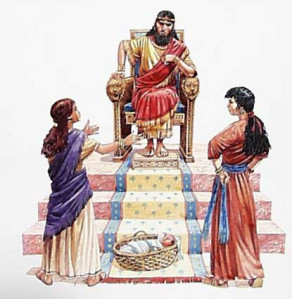
Chesed she b’Gevurah involves caring about others while being clear about our own boundaries.  It also involves making good judgments by looking beneath the surface of a situation, seeking the loving solution to difficult problems.  A great example is the Judgment of Solomon.  King Solomon was confronted with two women, each claiming that the infant they brought before him belonged to her.  King Solomon used Chesed she b’Gevurah to discern a loving decision.  He suggested that the baby be divided in two and they each take half, knowing that the true mother would reject the suggestion, as she would rather give up her claim to him than bear to have her child hurt.  King Solomon’s judgment has long been an example of profound wisdom; his suggestion was not to seek the appearance of fairness, but rather an answer through which love would be revealed.

King Solomon

 By discerning and restraining our impulses we can more deeply understand the deep flow of love within them.  Each time we stop ourselves from impulsive behavior in realization that such behavior could harm someone we love, we are acting from Lovingkindness within Discernment.  We judge our actions, choose with love, sure that those choices lead to harmony and healing.

**Much of this post has come from or been inspired by Rabbi Min Kantrowitz’s book “Counting the Omer: A Kabbalistic Meditation Guide”
DAY 7 – Counting The Omer 2023/5783

Sephirat Ha’omer

ONE WEEK COMPLETED – SIX WEEKS TO GO

COUNTING THE OMER – This prayer is traditionally recited between sundown and sunrise of each day.

Day 7: Malchut she b’Chesed

The Blessing (Day 7):
Baruch atah Adonai elohaynu melech ha’olam asher kidshanu b’mitzvotav v’tzivanu al sephirat ha’omer.
Blessed are you, G-D, Source of Lovingkindness, You make us holy through your mitzvot, commanding us to count the Omer.

Ha yom shiva yomim l’Omer, shehem shavuah echad l’Omer.
Today is the seventh day of the Omer, which makes one week of the Omer.


Week One – Chesed (Lovingkindness, Compassion, Grace)

Day Seven – Malchut she b’Chesed (Indwelling Presence/Manifestation within Lovingkindness) – BETWEEN FEET/AT MOUTH to RIGHT SHOULDER

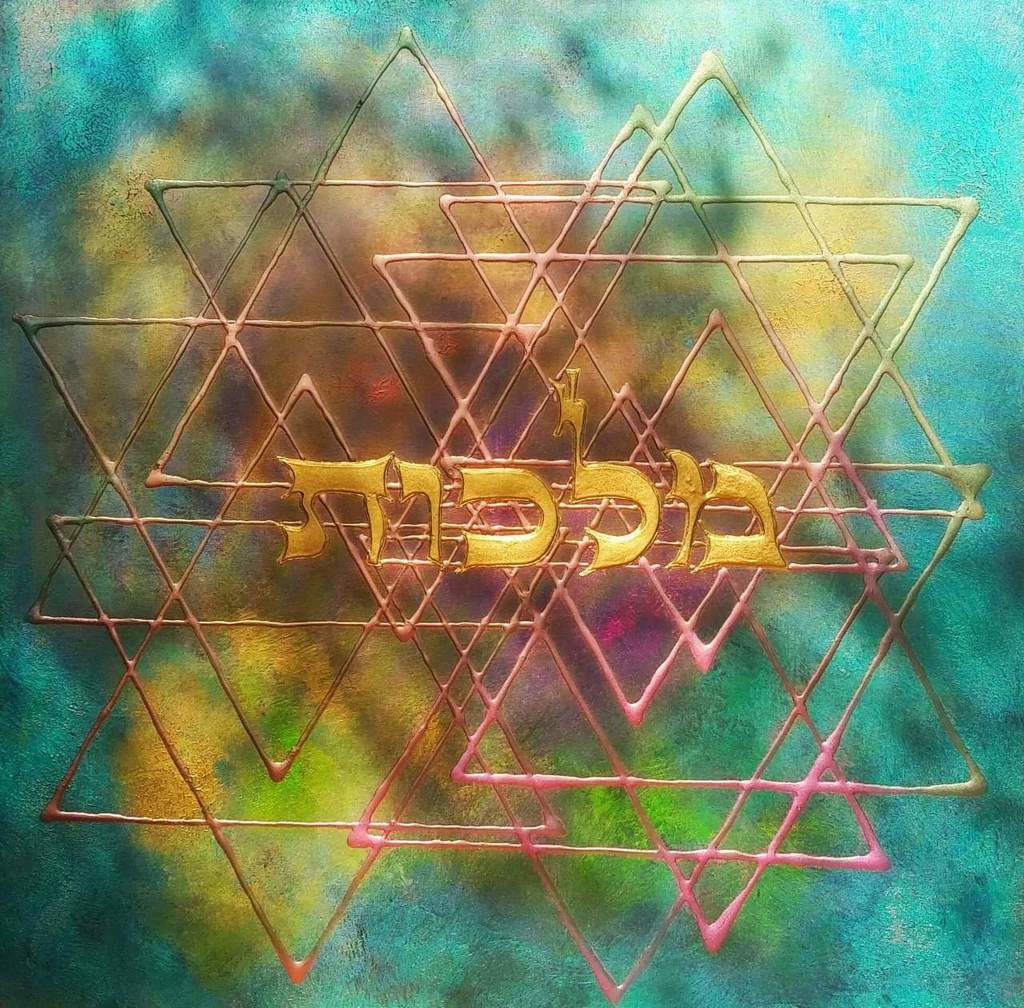
Kingdom (Malchut) by Israeli artist Dorit Gur

Malchut is the final of the sephirot that we are accessing through our Counting of the Omer. It is referred to as Indwelling Presence of G-d, and it is the manifestation of G-d’s attributes through us here in our Physical world. This is the sephira that is the reflection of all the other sephirot. It is not G-d’s direct actions, but rather our OWN actions that are guided by G-d’s attributes within us. Malchut is not only mapped as between the feet, but also at the mouth. It is G-d acting THROUGH us, by our ACTIONS (forward movement visualized between our feet) and by our SPEECH (mouth).

It is not just what we do, but what we say that is meant to be a reflection of G-d within us. This is what it means by the saying “we are made in G-d’s image.” All that we do should be a reflection of G-d within us if we are open to allow each of the sephirot, the attributes of G-d, to flow fully to their end. This end is at Malchut. Here we experience and exhibit two things at once – both exaltedness (as we are acting as G-d’s reflection) and humility (as we are aware of our own humble role.)

Today is the seventh day of the Omer, the first resting point in our counting. After a week of freedom from slavery, we pause, remember the seed of eternal love placed within each of us, and take the time to honor its Source. On this seventh day, we mark the completion of a week of counting the Omer and we begin renewed, ready to move closer toward the future, knowing ourselves more intimately and honestly than we might have the week before our journey began. It is truly the process of the work, the traveling on this journey that is the important piece. Not necessarily the destination. As we open ourselves up to respecting each of these attributes of G-d deep inside ourselves, we change the direction of our journey. We also change, even in subtle ways, the effect on the people and the world around us.

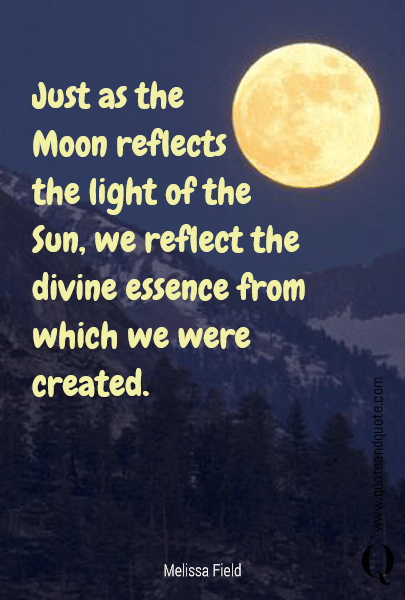
As a meditative practice, take a few deep breaths and consider how you may have changed this week. Have you opened yourself up to providing the level of compassion and loving-kindness that you wish to give to the world? A great visualization for this is the moon and how it reflects light on us. The moon is like Malchut – it does not give off anything of its own being, but rather it takes the light of the sun and reflects it back off in beauty. We are like the moon with G-d as the sun. We take G-d’s emanations, the sephirot, and reflect the attributes back into the world through Malchut. How have you reflected Chesed, lovingkindness, into the world this week? Like the moon at night, that which we can reflect back on our society can illumine the darkest of time. Choose to reflect compassion and kindness back into the world. Allow Malchut to influence Chesed and be that source of loving care for others.

* For more information on this subject, I recommend “Counting the Omer: A Kabbalistic Meditation Guide” by Rabbi Min Kantrowitz.
DAY 6 – Counting The Omer 2023/5783

Sephirat Ha’omer

COUNTING THE OMER – This prayer is traditionally recited between sundown and sunrise of each day.

Day 6: Yesod she b’Chesed

The Blessing (Day 6):
Baruch atah Adonai elohaynu melech ha’olam asher kidshanu b’mitzvotav v’tzivanu al sephirat ha’omer.
Blessed are you, G-D, Source of Lovingkindness, You make us holy through your mitzvot, commanding us to count the Omer.

Ha yom shisha yomim l’Omer.
Today is the sixth day of the Omer.


Week One – Chesed (Lovingkindness, Compassion, Grace)

Day Six – Yesod she b’Chesed (Foundation within Lovingkindness) – GENITALS to RIGHT SHOULDER

Yesod is Foundation, that which everything is built upon.  It is also the sephira of reproductive energy, of sexual energy, which is why it is located in the region of the genitals.

Yesod is the Foundation of generations to come. Yesod she b’Chesed brings awareness of the future, the generative energy of continuity, within Lovingkindness. Yesod is so completely linked to the creation of things, and when linked within Chesed, anything we create, including future generations, can be positive and filled with great possibility.

As we consider Yesod she b’Chesed, it is a perfect time to reflect on our foundational values. Are we exerting compassion and caring in a way that is reflective of our inner foundation, the sacred ground upon which we have developed into the person we are deep inside? Are we reflecting our true selves by our acts of lovingkindness in the world? We all have probably experienced the situation where we act appropriately because we know it’s the right thing to do (our foundation keeps us in check), but we might not have done it with the full amount of compassion and caring that would really have been an outward show of who we really are inside. This usually happens when we are overwhelmed, when we are exhausted. I take comfort in knowing that my foundation is strong and will carry me through moments like that, yet I appreciate the gentle reminder to engage Chesed in these acts. This is what changes both the feeling for the recipient of our deeds as well as our own feeling about doing the right thing.

As a meditative practice, take a few deep breaths and consider how you can access and strengthen your spiritual foundation to keep it strong. Doing this, building your foundation in kindness can give you the inner strength to keep moving forward. We understand that if we withdraw ourselves emotionally from other people and their problems, we internally can become hard and harsh.

Pharoah’s Heart

I find myself hearing the portion from the Haggadah where “G-d hardened Pharoah’s heart” and appreciate the philosophical commentaries I’ve read about this troubling passage. My favorite interpretation is that Pharoah actually hardened his own heart many times by his actions, creating deeper damage to his foundation each time by not treating the slaves with any understanding or kindness (without Chesed). Over time, his foundation became such that it was no longer allowing him to be open to hearing G-d. In this way, Pharoah actually hardened his own heart against G-d. May you be reminded of the strength of your own foundation and the benefit to yourself and to others when you act on your core beliefs with compassion and kindness.

* For more information on this subject, I recommend “Counting the Omer: A Kabbalistic Meditation Guide” by Rabbi Min Kantrowitz.

DAY 5 – Counting The Omer 2023/5783

Sephirat Ha’omer

COUNTING THE OMER – This prayer is traditionally recited between sundown and sunrise of each day.

Day 5: Hod she b’Chesed

The Blessing (Day 5):
Baruch atah Adonai elohaynu melech ha’olam asher kidshanu b’mitzvotav v’tzivanu al sephirat ha’omer.
Blessed are you, G-D, Source of Lovingkindness, You make us holy through your mitzvot, commanding us to count the Omer.

Ha yom chamisha yomim l’Omer.
Today is the fifth day of the Omer.


Week One – Chesed (Lovingkindness, Compassion, Grace)

Day Five – Hod she b’Chesed (Splendor/Clarity/Acceptance within Lovingkindness) – LEFT HIP to RIGHT SHOULDER

Clarity

Hod is often referred to that of “Splendor”, “Majesty”, and “Glory”.  It symbolizes the intellectual, rational part of the brain as opposed to the emotions that are represented in Netzach. As it relates to the intellectual aspect of our brain, it forces us to look at things with clarity (and ultimately with acceptance.) Hod is something that is not as strongly developed in our youth – it is developed and matured over time from our experiences and our understanding of the world and our place in it.

As I get older, and hopefully more mature(!), I find that this area truly does develop more over time, strengthening our ability to accept things more readily and to enjoy the splendor of what is around us. Linking this area of Splendor (Hod) with our Lovingkindness (Chesed) in the world, truly does allow us to give this spirit of love in a more mature way with the wisdom of our years and experiences.

Hod, with its level of clarity, of acceptance, and ultimately of seeing the majesty and splendor in things, helps us to fully give to the world as much Chesed as we possibly can with a full heart. When we can open-heartedly accept the obstacles that exist, we are able to better work through any situation with care and compassion. It is this level of acceptance that allows us to see the true splendor of what we are able to accomplish, how we are able to act with compassion, with caring, with Chesed, even when there are obstacles to manage and overcome. The line between Hod (left hip) and Chesed (right shoulder) crosses through our Tiferet (heart), showing how once we accept our obstacles, once we can still see the splendor and awesomeness of what we are able to still give through our lovingkindness and our compassionate ways, our heart is filled.

If you are feeling like this is very similar, yet slightly different from yesterday’s conversation about Netzach and its influence on Chesed, you are correct. Hod and Netzach are connected in a way that the other sefirot are not. These two sephira, Hod and Netzach, are located as our Left and Right Hip. These two areas are linked physically with our pelvis, and one can not move without influencing the other. We can move our right shoulder independently of the left shoulder, but we can not move our right hip independently of the left hip. Go ahead – give it a try. This is why these two sephirot, although unique, are linked forever as well.

As a meditative practice, take a few deep breaths and consider a challenge that you are currently facing. Something that requires compassion and a loving approach to have the best outcome. What are the obstacles that are possibly preventing a free flow of Chesed to the situation? Rather than look to rationalize that you can ignore this obstacle, accept that this obstacle exists and give yourself permission that you are allowed to be frustrated by where you are in the moment. Then, with that acceptance that this is a problem, consider how you can still open your heart to allow compassion and care to flow through and maybe change the situation. Not everything can be changed easily, but by accepting any challenges as they are is not the same as giving up. It is the step needed to allow you to move forward with Chesed, with lovingkindness in any situation. Often, this alone can make the shift needed to effect a change to any situation.

* For more information on this subject, I recommend “Counting the Omer: A Kabbalistic Meditation Guide” by Rabbi Min Kantrowitz.

DAY 4 – Counting The Omer 2023/5783

Sephirat Ha’omer

COUNTING THE OMER – This prayer is traditionally recited between sundown and sunrise of each day.

Day 4: Netzach she b’Chesed

The Blessing (Day 4):
Baruch atah Adonai elohaynu melech ha’olam asher kidshanu b’mitzvotav v’tzivanu al sephirat ha’omer.
Blessed are you, G-D, Source of Lovingkindness, You make us holy through your mitzvot, commanding us to count the Omer.

Ha yom arba’a yomim l’Omer.
Today is the fourth day of the Omer.


Week One – Chesed (Lovingkindness, Compassion, Grace)

Day Four- Netzach she b’Chesed (Persistence/Endurance within Lovingkindness) – RIGHT HIP to RIGHT SHOULDER

Netzach is endurance; the fortitude and patience to follow through on our passions.  Rabbi Min Kantrowitz has said that Netzach is divine fuel, the endurance that helps compassion to flow: a kind of spiritual oil that smooths the rough places. Today we focus on celebrating the steadfastness of G-D’s flow of loving energy. Today we contemplate the enduring power of compassion and commit ourselves to using it wisely. 

Emotional endurance is a necessary component allowing us to express Lovingkindness in the world, especially in demanding and difficult situations. At times we need to recognize that it is not our own emotional needs that may be satisfied in a specific moment. Instead, we are being given the Endurance to allow Lovingkindness to flow out of us to others in need. 

There are times when you wish to be able to give fully with tenderness and consideration of others, yet the reality is that this can sometimes be exhausting. Just as Gevurah teaches us to utilize strength and discernment to influence the amount of Chesed we give to others, so too does Netzach influence our experience. When we wish to give compassion and caring, yet our emotional, physical and/or spiritual exhaustion seems to be keeping us from completing that desire, this is where the endurance of Netzach will influence us. This can often happen when the immediacy of a situation has worn off and the long-haul aspect is in place.

When a social justice issue comes to the surface for someone, usually due to a sudden awareness to a problem from first-hand experience or maybe a moving news article, the first days/weeks/months may be strongly influenced by a free-flowing Chesed, compassion, that is enough to spur you to action in some way. You may get very involved, read up on the subject to learn more, advocate to lawmakers, participate in marches, and so on. But this is difficult for most of us to sustain, no matter how much we may care about the cause. It’s the exhaustion that sets in as well as the pull from other factors that usually cause most of us to fall away from something that we feel strongly about. This is when Netzach, persistence and endurance come to full force to influence our Chesed, our compassion. Our resolve to persevere helps us to continue to get/stay involved, to make the phone calls to educate others on the cause, to work with lovingkindness to make the change.

As a meditative practice, take a few deep breaths and take a moment to think of something important to you that you have let fall away due to exhaustion, negativity or reluctance to continue to fight. Dig deep within yourself for that extra measure of Netzach, of endurance, to flow through you and join with Chesed so you may continue what you truly want to achieve with compassion and caring in the universe. We all get exhausted; we all lose sight of that which is very important to us – but it is never truly gone. Sometimes we just need to be open to the awareness of our need for a little extra resolve to get back to the important things in our lives.

* For more information on this subject, I recommend “Counting the Omer: A Kabbalistic Meditation Guide” by Rabbi Min Kantrowitz.

DAY 3 – Counting The Omer 2023/5783

Sephirat Ha’omer

COUNTING THE OMER – This prayer is traditionally recited between sundown and sunrise of each day.

Day 3: Tiferet she b’Chesed

The Blessing (Day 3):
Baruch atah Adonai elohaynu melech ha’olam asher kidshanu b’mitzvotav v’tzivanu al sephirat ha’omer.
Blessed are you, G-D, Source of Lovingkindness, You make us holy through your mitzvot, commanding us to count the Omer.

Hayom shlisha yomim l’Omer.
Today is the third day of the Omer.


Week One – Chesed (Lovingkindness, Compassion, Grace)

Day Three- Tiferet she b’Chesed (Harmony within Lovingkindness) – HEART to RIGHT SHOULDER

As we seek Tiferet she b’Chesed, Harmony within Lovingkindness, we search our deep, centered inner compassion to find the decent, caring and honorable person we are within. There is a Jewish law called pikuach nefesh which teaches that “saving a life” is above all other Jewish laws and that even our sacred laws of Shabbat, and others, may be broken to accomplish this. This idea can be extended to honoring our own life worth by having compassion on ourselves and forgiving ourselves for anything that is causing us to feel unbalanced or unworthy. Harmony and Balance (Tiferet) within us is affected by our need to approach it with Lovingkindness (Chesed.)

Life as an adult is a balancing act. We feel stressed and pulled in multiple directions at all times. We need to exercise loving compassion on ourselves, and to accept that it is okay not to have everything possible done at all times. That it’s more important to be balanced than to be “perfect.” In out American society, we are constantly looking to be productive and to excel at all things. This is a recipe for undue stress and feelings of inferiority that can create unnecessary problems in our daily lives. Tiferet she b’Chesed reminds us that self-compassion is a necessary ingredient to keeping everything in balance in our lives, which brings harmony to all we touch.

As a meditative practice, take a few deep breaths and say a silent prayer of gratitude to G-d for the compassion to know that you have a space of balance within you, if you can forgive yourself for anything you feel you didn’t do as well as you’d like, for any errors you have made. Allow lovingkindness to help bring you to a space of balance and harmony. By doing this, you are fulfilling a great act, and potentially fulfilling the law of pikuach nefesh, saving a life, saving yourself.

* For more information on this subject, I recommend “Counting the Omer: A Kabbalistic Meditation Guide” by Rabbi Min Kantrowitz.