Counting The Omer DAY ONE

Sephirat Ha’omer

Counting the Omer, an ancient custom that was once virtually ignored, is making a comeback in Reform Judaism.  It is a meaningful way to mark time, express gratitude, refocus priorities, and contemplate deeply the meaning and purpose of our existence.  I’ve been doing this ritual for about 9 years now, and each year I find myself longing for the re-connection with myself and with G-d that I experience through this process.  It is so powerful for me that we begin just as we celebrate our liberation from Egypt.

The Narrow Place

The Hebrew word for Egypt, mitzrayim, means the “narrow or tight place”, and when I begin I am reminded of the narrowness that often enslaves us, and the work I will do to reach an ultimate level of expansiveness.  This process helps me to reach the inner depths to that ultimate goal.  Whatever your personal situation, we all have something that enslaves us, some “tight place” in our lives.  In this time of the Coronavirus Pandemic that has restricted and affected us all, it may be hard to see beyond this one global enslavement. But for some of us, there may be other issues that are affecting us, some that are amplified by the COVID-19 crisis, and others that existed before this all began. It might be a restrictive relationship, a job that stifles our creativity or expression, a health challenge that limits us, a reduction of income, a painful past experience that has left emotional tension in its wake, or something else either in or out of our control that limits our choices, or feels like a limitation to us.  Some of these things may change, and some may always be in our lives.  We can learn how to move away from the tight places in our lives, away from those parts of ourselves that are enslaved, by considering the many gifts we have in our lives.  This journey is about finding a more open space within ourselves where we can fully appreciate all that we have and all that we are, and can feel our connection to each other, to our world and to G-d with humility and thankfulness.

Sephirot

I will use the concept of the sephirot, what I think of as the qualities of G-d that are within each of us, as a framework for the journey.  Each week concentrates on a specific sephira, and each day we consider that sephira in relation to one of the other sephirot.  The sephirot are “mapped” on the human body as well, so you know “where” they are concentrated within us.

We begin with Chesed – Lovingkindness

COUNTING THE OMER – This prayer is traditionally recited between sundown and sunrise of each day. Day one begins after the 2nd night Seder, on April 9, 2020 this year. (I apologize for the delay in getting this blog written, but I only decided to do it after I began my annual ritual this year.)

Day 1: Chesed she b’Chesed

The Blessing (Day 1):
Baruch atah Adonai elohaynu melech ha’olam asher kidshanu b”mitzvotav v’tzivanu al sephirat ha’omer.
Blessed are you, G-D, Source of Lovingkindness, You make us holy through your mitzvot, commanding us to count the Omer.

Hayom yom echad l’Omer.
Today is the first day of the Omer.

Week One – Chesed (Lovingkindness, Compassion, Grace)

Day one – Chesed she b’Chesed (Lovingkindness within Lovingkindness) – RIGHT SHOULDER to RIGHT SHOULDER

Image by stokpic from Pixabay

Chesed she b’Chesed represents the kind of unconditional love that we all deserve. Sometimes we can be afraid to open ourselves up wide enough for love to enter, but today we will try to overcome that fear to allow G-D’s love to enter us all.  Love is the single most powerful component in life. Love allows us to reach above and beyond ourselves.  Chesed she b’Chesed represents the experience of pure limitless, boundless love. As recipients of sparks of Divine Love, each of us is invited to spread Lovingkindness wherever we go.
We can ask ourselves – How can I spread Lovingkindness through my words, my actions, my decisions, and my attitudes?  How can I inspire others to be more caring to themselves and to each other?

Today we focus in feelings of caring, kindness, and loving witness without boundaries.

Both giving and receiving are necessary parts of sharing Lovingkindness, so we should seek the balance between getting and giving love.

Breathing slowly, take a few deep breaths, and with each breath focus on how you are being sustained at this moment by the unconditional love of G-D.  As you relax into your breathing, imagine a “tight place” within yourself opening and receiving the unconditional love and support of G-d.  As you exhale, try to imagine this dark area opening wide and on the inhale, imagine the space filling with a bright light of love and worthiness. 
Hot Tea Symbolism

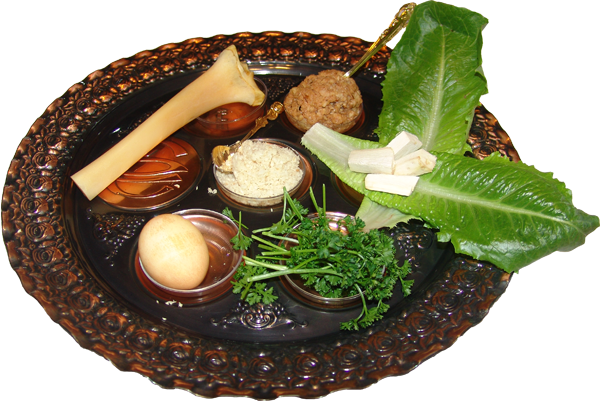
PASSOVER SEDER PLATE

Our Pesach seder plate and Haggadah tell us what “must” be on our Passover holiday table – the shank bone, bitter herbs, matzah, parsley, salt water, roasted egg, charoset, and wine.  In addition, what meal we serve is often set by family traditions that go back for decades in many homes.  That’s the beauty of traditions around family events.

As our cultures change and we learn more from and about each other, items have been added by many people in our community – especially those who are open to making our Judaism relevant to our modern experiences.  The Passover seder items each symbolize something important to be remembered.  For example, charoset is a symbolic reminder of the mortar used by our ancestors as slaves in Egypt.  So, it is natural that other items have been added over time to modernize our symbols, especially those that remind us of other marginalized or forgotten groups of people.

Your family may have added an orange to your seder plate to represent marginalized groups in society, such as the LGBTQIA community.  There are wonderful explanations on this across the internet, so I won’t go into them here.

Then there is the addition of Miriam’s Cup, next to Elijah’s cup which has traditionally sat on our tables.  Although Elijah’s cup is filled with wine awaiting the arrival of this prophet for all of us, Miriam’s cup is there to remind us of the role of Moses’ sister in the Exodus story.  Miriam is often considered in relation to water, reminding us of her roles in our Passover story, from watching over Moses in his basket in the Nile River to her ability to finding water throughout the desert the Israelites traveled as they wandered for so many years.  Upon her death, it is believed that her well in the desert dried up as well.

SO – what am I adding this year?  I have found something new to add to my table and I am excited to share it with you.  Although I’ve always had hot tea and coffee available to drink for everyone, now I will be adding a cup of hot tea right in the middle of the seder tablet, next to the seder plate and the four cups of wine.

Why am I adding such a mundane item?  I’m glad you asked!  This year I read a story written in 2016 about women’s seders on the Jewish Women’s Archive website.  As our annual Women’s Seder (aka Her Seder) was canceled for this year, I was starting to feel nostalgic about such events.  The story I read included the part of how it is truly the unsung women of the Exodus story that are the real heroines to think about – that without them, there would be no story to tell.  Our Sisterhood’s Her Seder includes our telling of the story of Shifra and Puah, the midwives who defied the decree to commit infanticide at the deliveries of the Hebrew women.  They refused to follow this command by the Pharoah, following their own consciences instead.  Without their strength and determination to do what was right regardless of the danger they were under by disobeying the law, Moses would likely not have even been alive to accomplish all that we celebrate at Passover.

Hot tea is a great symbol for these women.  Eleanor Roosevelt has said “A woman is like a tea bag – you can’t tell how strong she is until you put her in hot water”.  So, this year, to remind us of this statement and the amazing strength and fortitude of the midwives Shifra and Puah, I will be placing a mug of very hot water on the table, with a fresh tea bag in it.  As the tea bag is exposed to the hot water, the tea will get stronger and stronger – reminding us of all people who have stood up with strength and determination to stand against tyrants and do what they know is the right thing, no matter what.

The Invisible Scars

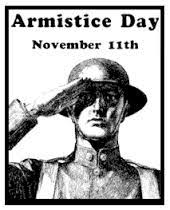
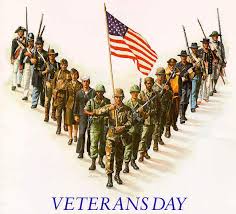
November 11, 1918 was the official end of World War I, Armistice Day. In 1938, legislation passed to dedicate November 11th as Armistice Day, honoring “the cause of world peace.”  In 1954, after the occurrence of other wars including WWII and Korean War, the word “Armistice” was struck from the Act of 1938, substituting the word “Veteran” making November 11th the day set aside to honor ALL US military veterans from ALL wars.  Unlike Memorial Day, which is meant to remember those killed in battle or from sustained wounds during their military service, Veterans Day is when we honor the commitment and service of every member of the US military, living and deceased, during both peacetime and wartime.

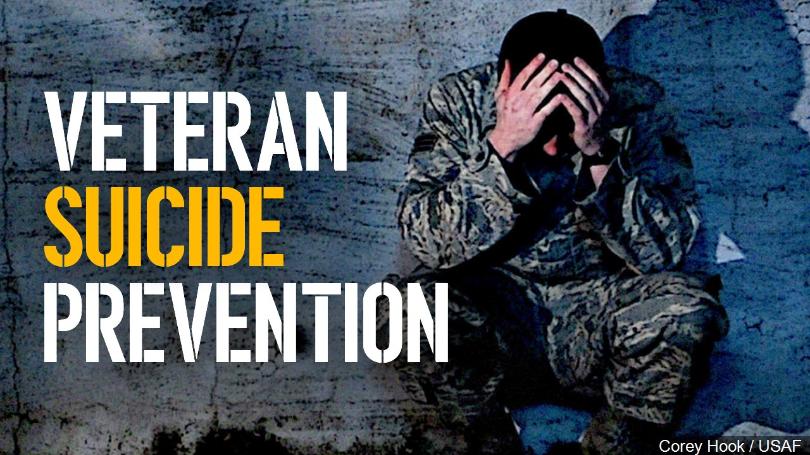
As I stop and consider those who have served our country, I can’t help but wonder of some of the ways we may not have shown our respect and appreciation for them.  So many of the men and women who have given their time and talent to our military are carrying burdens and scars, and unfortunately, we are not always doing our best to help them.  This summer, while wandering through the myriad of vendor fairs in South Jersey looking for craftsmen for our Sisterhood Hanukkah Bazaar, I met a wonderful man who had set up at one of the stalls.  He wasn’t there to sell anything, but to raise awareness of what their organization tries to do.  James Corbett and Dan Lombard founded a non-profit called Project Refit with one goal in mind: to combat isolation to reduce suicide rates among the military and first responder communities.  Their goal is to connect (or reconnect) these men and women with others of similar experiences to give them a community that understands them, somewhere to turn when they don’t feel able to connect in our society.

We spoke at length about PTSD, anxiety, depression and isolation and how they can be magnified among people who are trained to keep moving to complete a mission and “get the job done.”  When the mission ends, even if it’s a success, there may be lots of experiences and feelings that have occurred that the person hasn’t dealt with, and these can crush them from the inside without anyone understanding the damage they have sustained.  I call these the invisible wounds and scars.

I told him how our Sisterhood has been a strong supporter of another group called Heroes to Heroes, and gave him their information to share.  This group is designed to help our veterans, regardless of their religion or faith, who are on a path of self-destruction and possible suicide due to the damage they’ve sustained from moral injury.  The program begins with a 10-day journey to Israel to allow them a way to reengage with their faith and find relief and peace through traveling to this Holy Land where they meet with others like themselves as well as Israeli counterparts to find healing. This gives them a community that they can be honest and open without judgment.

As I spoke with this man at the fair, memories of my own childhood came back to me.  My father is a Vietnam veteran, and I know he has invisible scars, wounds that he never has discussed in depth with me, but damage that has affected him for his entire life.  I remember a lot of times being scared at night by someone banging on our front door at 1 or 2 in the morning, and my dad going down to open our home to a man who was yelling, cursing, and under great distress.  My dad would stay up for hours talking (and often drinking) with this man in our kitchen – sometimes they would get quite loud, sometimes very quiet.  I was too young to fully understand, but inherently I knew that somehow my dad HAD to do this for this man.  As I grew up, I realized that my dad felt an obligation to have our home be a safe place for this young man (they were both still in their 20s.)  My dad was providing peer-to-peer counseling at a time when I don’t even think that term was used, in a country that was not very supportive of the veterans who fought in a war that even they did not necessarily believe in.

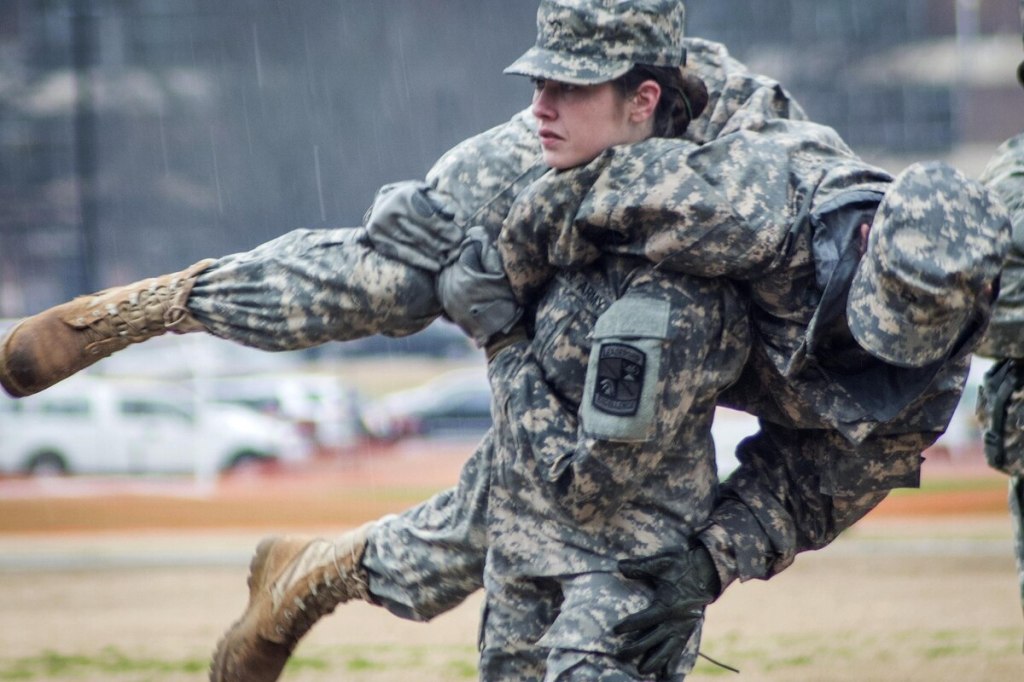
I spent more time at this vendor space than I did at any of the other ones, because I wanted to learn from this man more about a part of my world that I do not consistently consider.  As he shared his information with me, I learned that one of the areas they are working on is getting the word out to female military members about their program.  As we explored the reasons why they are having difficulty he told me how there is a worrying trend of an increasing suicide rate among female veterans than that among male veterans (from 2001-2014, 62.4% increase for female veterans vs. 29.7% increase for male veterans.)  He told me how military women often feel the need to keep their feelings even deeper within themselves because they are often experiencing prejudice and negative attitudes from both in and out of the military and they must act as if they are even stronger than their male counterparts.  This continues even after their military service has ended, as they have trained themselves to not allow anything that can be construed as a “weakness” to be seen by others.  The damage that can come from living in this way can seep into so many aspects of life, not just for the individual, but for their family, their community, and by extension, for us all.

I always have tried to show support for those in our military, those who have given up aspects of themselves and their lives to work on my (our) behalf for our country, but I admit I do not think of them often in my day-to-day life.  On this Veterans Day, I encourage you to consider how many of us are carrying invisible scars, and give a moment to recognize that we must thank those who have been damaged and scarred working on our behalf.

Links to articles and websites for more information:

www.military.com/veterans-day/history-of-veterans-day.html

Project Refit (James Corbett & Dan Lombard)

https://www.projectrefit.us/

Heroes to Heroes

https://www.heroestoheroes.org/

Articles on military women & suicide

https://www.psychologytoday.com/us/blog/the-crime-and-justice-doctor/201811/addressing-rising-suicide-rates-among-women-veterans

Articles on military women & PTSD

https://www.ptsd.va.gov/professional/treat/type/trauma_female_veterans.asp

The Immigrant’s Tent

It’s Sukkot, the time to give thanks for the fall harvest, when Jews around the world put up temporary structures at home and at their synagogues to remind them of the fragile dwelling places of our ancestors during their 40-year journey through the desert to the Promised Land.

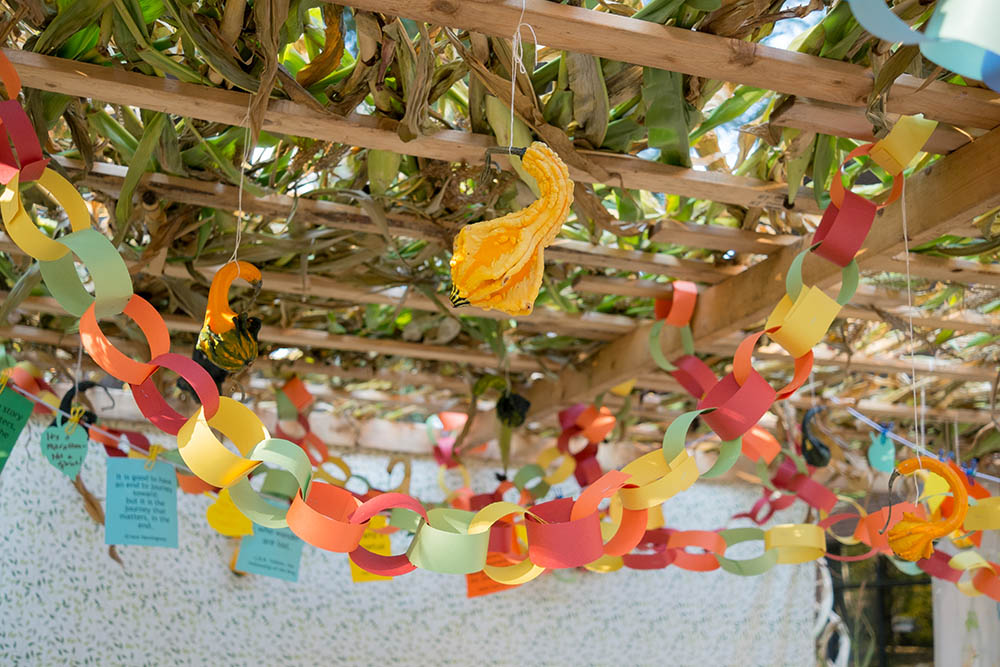
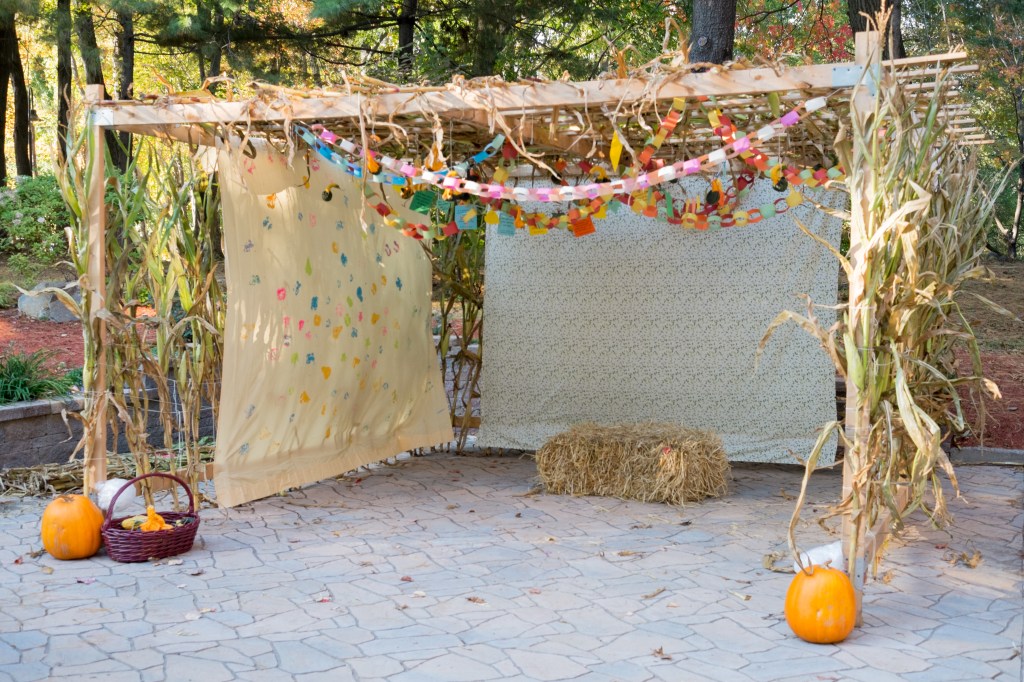
These sukkot (called booths or huts) that we build are not like the tents we may take with us as we head out to the woods for a weekend camping trip.  These structures are open on at least one side and must be open at the top so you can see the stars through the spaces.  Yes, that means if it’s raining outside, you should be getting somewhat wet inside.  They are not permanent residences, just temporary structures to provide us with a space to gather to eat, sleep and share with others the bounty that we have while being remind of the fragility and temporariness of all we may possess.

Sukkot has always brought to my mind the immigrants of past and present day.  There is a common thread found in all immigrants, no matter what country they have left behind – they all left to find a better life for themselves and for their family – to find the Promised Land.  Always, when I would sit in our family’s sukkah built just feet away from our permanent home on our deck, I would inevitably find myself wondering how much strength and fortitude it takes for those who leave behind what they know.  The streets they grew up on, the friends they made, sometimes the language and the customs familiar to them are all relegated to a past life for them as they take what they can and head out on a path to what they dream will bring them a better life, a life of stability and promise for a future better than the one their prior life could provide.  We all have an ancestor who has done exactly this.  This is a natural experience for humankind – we want to give a stable life to our future generations.  Every land has had immigrants at some point in history come to its shores looking for a safe place to call home.  The United States is not unique in experiencing people wishing to join in the bounty of its land and build a permanent life.

At Sukkot, we are meant to welcome the ushpizin (Aramaic for “guests”) to share a meal with us.  Ritually, we call upon specific ancestors to be our exalted supernal guests (the patriarchs & matriarchs, the male and female leaders & prophets, followed by the royalty of our Jewish heritage) and it is said that these ushpizin will refuse to join in a sukkah that does not welcome the poor.  Each of the chosen guests we call upon represents our ancestors who were themselves uprooted from their home, who themselves were immigrants in some way.  If we are not welcoming to those who are poor and/or are wandering, they will not honor us with their blessing of presence.

As you sit and enjoy a great meal in a sukkah this week, take a moment to consider if you can honestly answer the exalted guests we invite – Abraham, Isaac, Jacob, Sarah, Rebecca, Rachel, Leah, Moses, Aaron, Miriam, Joseph, David, Abigail and Esther – when they ask if you are welcoming to the poor, to the immigrant, to the one who is searching for a place to dwell.  May you be blessed to have the ushpizin say yes to you and grace your sukkah with their presence.  It means we are all blessed by you as well.

The Path of a New Year

Rosh HaShanah, the “Head of the Year,” can literally be translated from its root Sh-N-H as the “Head of the Repeat” or the “Head of the Change.”  For me, this year I completely am embracing the translation of CHANGE.

One of the most important things that we as Jews do during the High Holy Days – the Days of Awe – is reflect on the prior year and what we have done that we might have done differently if given the chance.  Rosh HaShanah is when we consider the next year to be “written”, but we are given a time frame to do the deep work to assure that what may be written is what we want it to be.  At Yom Kippur this new year plan is considered to be “sealed.”  For those of us who attend services in the synagogue over the holidays, we will hear this phrase often.  It is the Unataneh Tokef: On Rosh HaShanah it is written, on Yom Kippur it is sealed.

We are meant to take these 10 days between Rosh HaShanah and Yom Kippur to take ownership of our deeds, our role in the world, and to make any adjustments in our life so that what is written is what we want to be sealed.  Is the path we are about to take this year the one we WANT to be on?  We are given time to consider the strength of our footing before we embark on the next year’s course.  If we have made atonement for that which we have done wrong over the prior year – our footing is more secure.  If we have made restitution to those we have harmed – our footing is more secure.  If we have removed ourselves from the path we don’t wish to be on, and are looking at a course that we feel is where we belong, regardless of the easiness or the difficulty of the terrain – our footing is more secure.

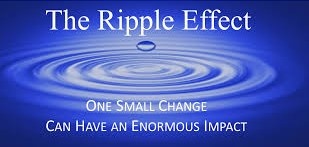
For my personal role of this time of Aseret Yemei Teshuvah (Ten Days of Repentance), I am looking for how I can be involved in the world in different ways to make change.  Even small alterations, like how I respond to someone, can make big changes due to the nature of a ripple effect, which is the continuing and spreading effects of an action.

Consider for yourself what small steps you may take in the new year that may begin a ripple that can make 5780 a “Year of Change” for yourself, for your family, for our world.

L’shanah tovah tikatevi v’taihatemi.

May you be inscribed and sealed for a good year.
 

Returning to Our Best Self

Well, here we are again – September.  The time when we can feel the weather begin to change, the light of the sky taking longer to brighten up our mornings (well, here in New Jersey that is) and the world around us is ramping up with activities galore after the more relaxed days of our summer season.  The trees are preparing for one final moment of beauty with rich hued leaves before calling it a day while at the same time our Jewish world is preparing for our High Holy Days and we are ready to start a New Year.  This is the perfect time to reflect on what the last year has been for us, what we have done right, what we may wish we did differently, and accept that we have the wonderful ability to always change our course, begin anew in some way to become the best person we can and want to be.

Judaism amazes me so many times in the sheer intelligent design of the religion.  Just when it is needed most, our tradition gives us a path to accomplish this task.  For those who may have never participated in Selichot, let me share with you a few tidbits of information about this beautiful service.

Selichot in the Reform Judaism tradition is a service that is held on the Saturday night before Rosh Hashanah, provided there is enough space between the two (at least 3 days between Selichot and Rosh Hashanah is customary).  For this reason, this year, Selichot will be observed by many synagogues on this upcoming Saturday, September 21, 2019.

Selichot itself is a series of penitential prayers which ask for forgiveness and are truly the beginning of the High Holy Days, rather than Rosh Hashanah.  The Jewish month of Elul is all about reflecting and reviewing where we have been so that when we reach the month of Tishrei and Rosh Hashanah, we are prepared to start the New Year.

Selichot service typically includes many of the sounds we hear when we attend the High Holy Day services.  The music echoes the somber tones that we hear during Rosh Hashanah and Yom Kippur.  The chant of the prayers reflects the deeper contemplations we are undertaking.  The words of the prayers themselves evoke the same self-assessing and penitential mood that we are feel from Yom Kippur service, our Day of Atonement.

I have never forgotten a wonderful description given to me by Rabbi Jerome David years ago about Selichot.  He referred to it as “the overture of the opera we call the Days of Awe.”  For anyone who has ever been to an opera, or any musical theater event for that matter, the overture sets the scene musically and often has sections throughout that give you a sneak peek into the songs that you are about to hear through the story.  It sets the tone.  Selichot does the same.  It gives you a sneak peek of the coming attractions of the High Holy Days, preparing you to get the most out of the experience.

Even if you can’t get to a Selichot service, or it’s just not your style, you can do your own version of reflecting on what you’ve done this past year, if you are on the path you wish to be on in your life, and if you aren’t, prepare for how you may make a turn in your world to return to who you want to be.  T’shuvah – returning to what is most important.

I will end with a quote that came into my mind last month while I was meditating.  It’s not unique, I don’t know where I heard it, but when it flitted across my thoughts I knew I wanted to grab it and reflect on it throughout the next year.

“You can’t change what you have done; You CAN change what you will do.”

A Day Off

Here we are again – Labor Day!  Ah, I can smell the glorious scents wafting from people’s backyard barbecues.  I hear the children playing outside, getting in those last moments of fun before their school year begins.  I see everyone spending time relaxing with family and friends, happy to have a day off to relax.

I also see many cars on the road.  People heading out to the grocery store for missing ingredients.  People heading out to mini golf, movies, and amusement parks to be entertained.  People heading out to stores on the constant search for deals and specials.  People heading out to restaurants for a great meal so they don’t need to cook.  People heading out to visit family and friends this weekend, traveling through airports, train stations and interstate rest areas.

Do we remember the MANY workers who are not off today?  The workers who toil to make our day off, our Labor Day holiday enjoyable?

We often lose our perspective and do not realize that not everyone around us is experiencing the same appreciation for the work they do.  The first “Labor Day” was on Monday September 5 in 1882 when the Central Labor Union in NYC held a public event to raise awareness to the plight of worker’s regarding wages and dangerous working conditions.  Many workers in the 19th century worked 12 hours a day, 7 days a week in harsh conditions.  Workers took UNPAID time off to participate in the event which began with a protest parade carrying pro-labor signs, then a picnic with speeches, with the event ending with fireworks and dancing.  An estimated 20,000-50,000 workers and families participated during this 8-hour event.  In 1887, 5 states (OR, MA, NY, NJ, CO) designated the Labor Day holiday as a day off to honor laborers.  By the time President Grover Cleveland signed the declaration to make the 1st Monday of September a national holiday on June 28, 1894, 23 states had already joined in.

Our Labor Day has morphed from a day to recognize the iniquities of workers into a day of fun, sun and deals primarily for those who already have fair working situations.  One out of every four Americans will still be working this Labor Day, most of whom are from the lower wage earners with the longest hours.

Judaism has a long history of fighting for the rights of all workers.  The Torah, Talmud and other historical writings from our religion is filled with rules and discussions about how to treat all workers fairly.  In Leviticus, we are reminded that we must pay one who does work promptly, as the “wages of a hired servant shall not abide with thee all night until the morning.”  In Deuteronomy, we learn that just as the Israelites must rest on Shabbat, so too must there be an opportunity for their “servants” to rest, even if they are not Israelites.  We must recognize and treat anyone who works for us with dignity, respect, and honor.  To do less than that diminishes us as much as them.

On this Labor Day, I encourage you to remember that not everyone is “off” today.  Not everyone is receiving a fair wage.  Not everyone is in a safe working condition.  Consider the blessing we have of this holiday, and that there is still work to be done to honor those who created this day as an opportunity to bring us to a fair place over a century ago.

One final thought – if you encounter someone who is working on this holiday, say THANK YOU to them.  Let us all remember that they are working to make OUR day off pleasant, safe and enjoyable.

Dancing in the Vineyard

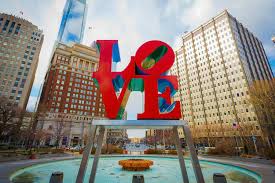
LOVE.  This small four letter word is the root of so much power, so much potential.  We all crave it.  We all know when we feel it.  We know when we feel it for someone else, and we will do anything for that person.  And we know when we feel it being given to us by someone.  You know that someone cares for you, someone will try everything to protect you, someone is there to help strengthen you – that someone loves you.  It is a phenomenal feeling to give and to receive love.

In our Jewish world, there is a minor holiday that is gaining popularity (especially in Israel.)  It is the holiday of Tu b’Av.  Literally, this just means the 15th day of the month of Av.  But, like most of us here in the USA think of February 14th as the day of love (aka Valentine’s Day,) we should also have the same kind of immediate feeling for Tu b’Av.  It’s the day of love.  Weddings and special romantic events are often held on this day, which technically begins on the evening of the day before.  As our calendar is linked with the cycles of the moon, it should be no surprise that this evening is a FULL MOON event.  For this year of 2019, that means that at sundown on Friday August 16th, our festival holiday of Tu b’Av begins, and for any of us who have been outside this week, it’s a BEAUTIFUL full moon out there for us.

In the days of our ancient ancestors, Tu b’Av was celebrated as a kind of “singles mixer” event.  The eligible single women would borrow white dresses from the community and go out to dance in the vineyards and fields.  The unmarried men would come to watch and to dance with them, and the women and men would very often find their mate on this day.

I am again in awe of the powerful messages I find in the Jewish rituals and holidays.  What struck me the most when learning about the Tu b’Av ancient customs was that the women all BORROWED their clothing.  What a communal, supportive and egalitarian approach these women had for their fellow sisters.  By having the women all borrow their clothing, and having the community support them in this way, no woman was left out if she didn’t have an acceptable garment.  Each woman could let her own true self shine through without fear of being judged by her clothing.  WOW – talk about women supporting each other and women empowering each other!

This holiday of Tu b’Av is situated just 6 days after Tisha b’Av (the 9th day of Av), the saddest day on the Jewish calendar.  Tisha b’Av is marked by fasting and communal mourning of the destruction of both the First and the Second Temple, as well as the exile of the Jews from the land of Israel.  Having a celebration of love less than a week later is a great example of the resilience of the Jewish faith and spirit.  It is the promise of life and love after a period of fear and grief.

I encourage you to take a moment to ponder the beauty of the love in your life, in whatever shape that love takes in your world.  Celebrate the power and potential that love brings.  And maybe, if you can, you may find yourself dressed in white dancing under the full moon with someone you love.  Have a LOVING Tu b’Av everyone!

Is Observing Enough?

Our Sisterhood Book Club just met this past week to discuss a book I admit I would not have picked up in the book store.  For full disclosure, I read (or more specifically, I listen to audiobooks) nowadays as a way of escaping the world, to be entertained in stories far away from my life experiences and my life history so that I can just sink into a different world where things may be a bit calmer, a bit more gentile, a bit more uplifting.  I am confident that the book BENEATH A SCARLET SKY by Mark Sullivan would not have found its way into my cart.

But I am glad that our Sisterhood Book Club presented it to me.  I have been struggling with just observing our world around us, rather than actively working to change that which I can impact, and signs are presenting themselves to me that let me know I no longer want to just watch and lament, but I have a need to act and to be engaged.

Without giving too much away, the protagonist of this book, a historical fiction based on a true story, is a man named Pino Lella who as a young man (a teenager still) is put into situations in Italy during WWII where he finds himself witnessing and participating in some acts of goodness, as well as witnessing extreme atrocities and not being able to stop them.  The effect this has on him, of being an “Observer” troubles him throughout not just the war, but his life.

This makes me consider our current world, and the role I have in it, especially as a Reform Jew.  My mother and I often compare (and contrast) the religions that we belong to and the teachings that they put forward.  We were both raised as Catholics, but at different points in our lives we looked to and committed ourselves to different religions for the guidance and comfort we were individually seeking.  I found mine in Reform Judaism – my mother as a Jehovah’s Witness.  As I learned more about her religion, I was struck most by the contrast between the actions and inactions of each.  I understand now that the word Witness in their name truly means just that – they are watching, they are witnessing, they are observing the world around them. (Yes, this is a simplistic breakdown, but I do not want to get into the details here.)

In comparison, there is my understanding of the Reform Judaism I have followed, that it is not enough to just witness things, to just observe – our Judaism requires that we act.  We must act to not only help our fellow humans, but to change the world around us to make it better for everyone, not just better for ourselves.

This is the struggle our young man in BENEATH A SCARLET SKY grapples with throughout the story.  Of course, being a witness to something is important – to see things, to acknowledge their occurrence, to never forget them.  But as a Reform Jew, I must also act in any way I can to make a change.  One of our primary mandates as a Jew is Tikkun Olam – to repair the world through both acts of kindness as well as through acts of change.

So, to answer the original question – I do not believe observing is enough.  Sometimes, as our protagonist learned, observing is all we can do in the initial moment.  But it should not end there.

SUMMERTIME

Ah – summertime.  That great time when we slow things down and be “lazy.”  Ugh, how that always used to bother me.  As a “type A” personality, especially when I was younger (although I know many of you may wonder how it’s possible to be MORE type A than I may seem now,) the summer always stretched out in the beginning as a time to “get a lot done” and my anxiety would build as the weeks of August loomed like deadlines I was about to miss on what I didn’t accomplish.  Sound familiar to some of you?  We often start off the summer with two plans – to relax and to get things done.  Is it possible to do both?

I will tell you I truly believe it is, but not the things that you may think.  We often forget about what we are getting done WHEN we relax.  When we slow things down, we are truly accomplishing something wonderful.  We are REJUVENATING our bodies, our minds and, very importantly, our souls.

Summer has such amazing things that come with it.  (Okay, some not so amazing things too, as I swat a mosquito away.)  Summer has WARMTH, a kind of warmth from the sun that goes through our skin and helps our body cells to warm up, like a great heating pad.  Embrace it in small enough doses that you aren’t overheating it, and your cells can do some amazing healing work.

Mentally, taking time to just sit and let your mind wander, something many of us may do during a summer day, is not “doing nothing.”  It is allowing your mind, like a computer, to reset and restructure its thoughts, which brings you back more focused and able to continue your mental work in a coherent and more organized way.

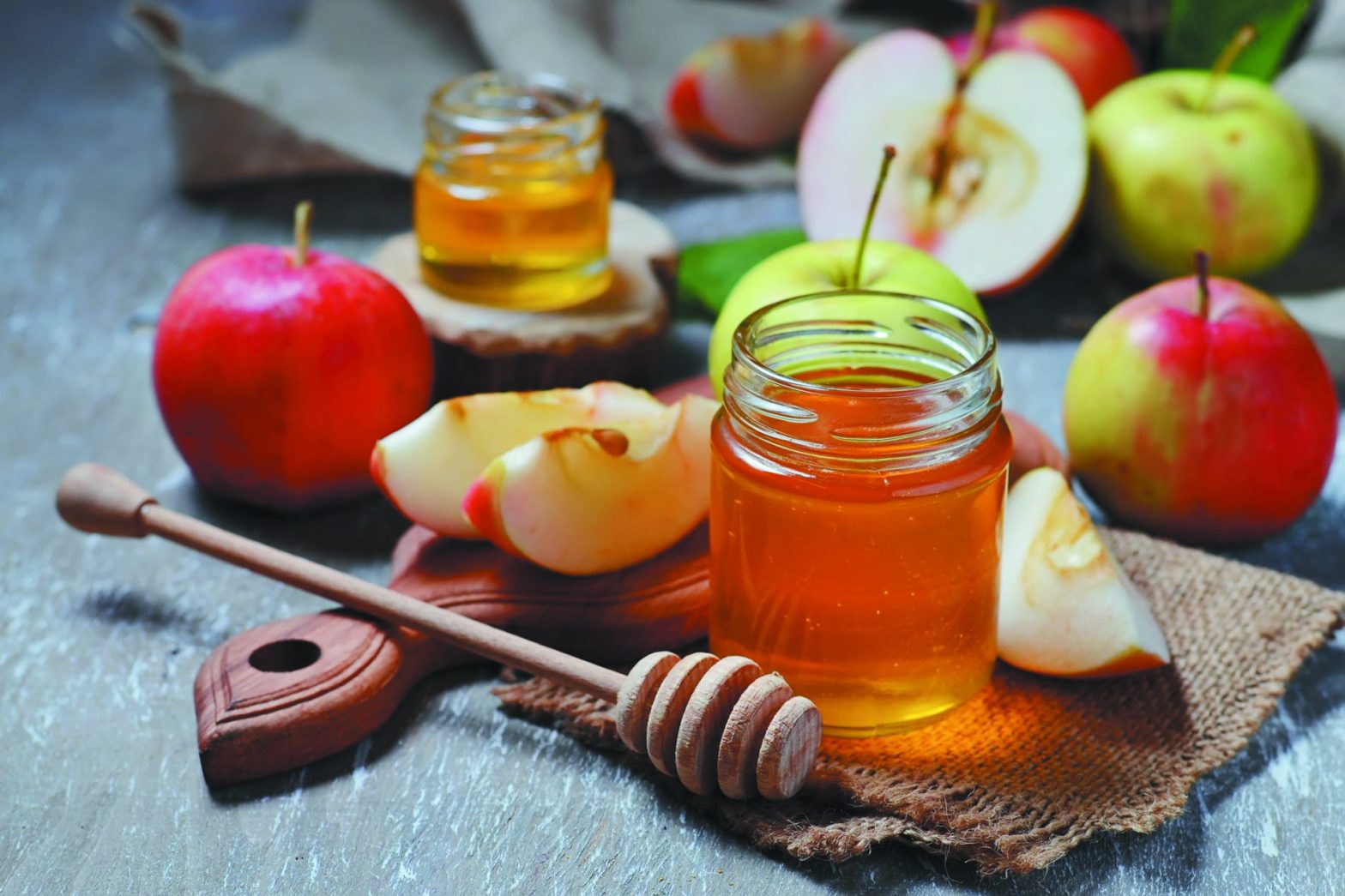
Spiritually, summer is a GREAT time for us to embrace slowing things down.  Historically, our time spent at the synagogue is less than ever, which prompts many to think we are not being “Jewish” in the summer.  I disagree completely.  We aren’t being institutionally Jewish maybe, but we are very much giving our souls what it needs when we are being “lazy” – we are giving our souls time to connect to the world around us, to our surroundings, which is one of the most nourishing things we can give to our souls.  We may not fully think of the connection we have with nature when we look at a beautiful flower with a bee hovering over it and later we put honey in our morning tea, but our soul makes that connection for us.  Our soul SINGS every time we notice the vibrant greens of the leaves, the sun setting later in the day and the sound of crickets in the night.  All those summertime things that we experience while being “lazy!”

This is all preparatory work for our High Holidays, for our being ready to come back in full.  I would say that is the exact opposite to the idea that we “didn’t get things done” and “we aren’t being Jewish” in the summer.

Enjoy your summer, and I will leave you with this great summertime prayer I found when searching for one this week.  Judaism has a prayer for everything, and when one can’t be found, we will create one!

I found this on MyJewishLearning.com.  Go to this link if you’d like to read more about this blessing.

www.myjewishlearning.com/southern-and-jewish/a-blessing-for-summer/

A BLESSING FOR SUMMER

For the lengthening of days, stretching sunshine far past its winter bedtime,
For the bright blues and vibrant green and pops of color filling the warm world,
For the unrelenting humidity that reminds us to savor the sweetness of cooler breezes,
For all the sounds of summer – the jingling of ice cream trucks, joyful shouts of children splashing, lingering laughter over meals shared on patios, the shuddering clap of thunderstorms demonstrating something more powerful than us,
For summer camps and vacations and time spent outside,
For good AC when we’re stuck indoors,
For sun,
For shade,
For all these things and more, we thank You.
And may God bless and keep the mosquitoes… far away from us.
Amen.